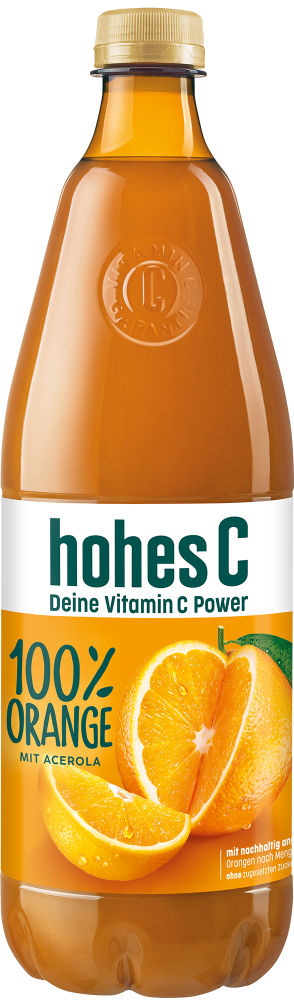
Hohes C IMMUN WATER Banned: A Landmark Ruling on Misleading Health Claims
In a significant move for consumer protection, the regional court in Koblenz has ruled against Eckes-Granini Germany, the manufacturer of Hohes C products, prohibiting them from using the name "hohes C IMMUN WATER." This landmark decision, following a lawsuit filed by the Federation of German Consumer Organisations (vzbv), underscores the stringent regulations surrounding health claims on food and beverage products and serves as a powerful reminder to manufacturers about the importance of accurate and substantiated marketing.
The core of the issue revolved around the product's name, which, according to the court, misleadingly suggested an unproven positive effect on the immune system. This ruling has far-reaching implications, not just for Hohes C but for the wider functional beverage market, signaling a stricter enforcement of health claim regulations designed to safeguard consumers from unsubstantiated promises.
The Regulatory Landscape: Why "IMMUN WATER" Crossed the Line
The European Union, and by extension Germany, operates under strict regulations concerning nutrition and health claims made on food products (Regulation (EC) No 1924/2006). These regulations are designed to ensure that any statement about a product's health benefits is scientifically substantiated and approved by regulatory bodies. The goal is to protect consumers from misleading information and enable them to make informed choices.
A crucial distinction exists between general nutrient function claims and specific product health claims. For instance, stating that "Vitamin C contributes to the normal function of the immune system" is a permitted nutrient function claim, as it refers to the known role of a specific vitamin. However, labeling a product "IMMUN WATER" implies that the product itself, as a whole, has a direct, proven immune-boosting effect. According to the vzbv and subsequently the court, this constitutes a specific health claim that was neither substantiated nor authorized for the product.
The Hohes C IMMUN WATER product, launched in early 2022, was marketed as a natural mineral water with mild carbonation, a light fruity taste, and fortified with Vitamin C and D, boasting a low caloric content of just 3 Kcal/100ml. While the presence of vitamins C and D can indeed support normal immune function, naming the product "IMMUN WATER" without specific authorization for such a product-level claim was deemed a step too far. Susanne Einsiedler, legal officer at vzbv, highlighted that the product name itself was not backed by evidence and lacked the necessary approval.
The Hohes C IMMUN WATER Controversy Unpacked
The "hohes C IMMUN WATER" product quickly caught the attention of consumer watchdogs due to its prominent branding. On the bottle, the name "IMMUN WATER" was displayed in capital letters, with "MIT VITAMIN C + D" (with Vitamin C + D) printed in smaller font below. The reverse side of the bottle included the statement, "Vitamin C and D contribute to the normal function of the immune system."
The vzbv argued that the overall presentation, particularly the prominent product name, created the misleading impression that the drink inherently provided a direct immune-boosting effect. The Koblenz judges agreed, classifying "IMMUN WATER" as an unauthorized specific health-related statement. They emphasized that while the individual contribution of Vitamin C and D to immune function is recognized, this does not equate to the product itself being an "IMMUN WATER" that directly confers immunity.
Eckes-Granini initially sought to keep the product on the market until the end of 2024. However, the court rejected this request, noting that the company had already ceased using the contested bottle design since spring 2022. Despite the company's attempt to appeal the non-admission of a revision at the Federal Court of Justice, their appeal was rejected. Eckes-Granini has since filed a "Nichtzulassungsbeschwerde" (an appeal against the non-admission of an appeal), indicating the company's continued efforts to challenge the ruling, even as the product's original branding has been removed from shelves.
Beyond the Water: Understanding Hohes C's Product Range and Immune Support
While the "hohes C IMMUN WATER" faced legal scrutiny, it's important to differentiate it from other products in the brand's portfolio. Hohes C is well-known for its range of fruit juices and functional drinks. For example, products like the Hohes C Immun Shot often feature concentrated blends of fruit juice with ingredients such as ginger, mango, orange, and turmeric, along with added vitamins. These shots are typically marketed as food supplements or vitamin drinks in smaller PET bottles, emphasizing their concentrated nature and specific ingredient benefits.
The distinction lies in the type of product and the claims made. A "shot" product, often categorized as a food supplement, might carry different labeling requirements and marketing approaches compared to a "water." Ingredients like ginger and turmeric are widely recognized for their potential anti-inflammatory and antioxidant properties, while vitamins C and D are crucial for a healthy immune system. When choosing such products, consumers should always look for clear ingredient lists and understand the specific benefits attributed to each component, rather than relying on broad, unsubstantiated claims.
True immune support comes from a holistic approach: a balanced diet rich in fruits, vegetables, and whole grains; adequate sleep; regular physical activity; and stress management. While functional drinks and supplements can play a supplementary role, they should not be seen as a replacement for a healthy lifestyle. The ruling against "IMMUN WATER" reinforces the idea that no single product can magically confer immunity, and marketing should reflect this reality.
Navigating Health Claims: What Consumers Need to Know
The Hohes C IMMUN WATER ruling offers valuable lessons for consumers navigating the often-confusing landscape of health claims. In an era where "superfoods" and "immune-boosting" products proliferate, critical evaluation is more important than ever. Here are some actionable tips for consumers:
- Scrutinize Product Names and Marketing: Be wary of product names that make direct, unqualified health promises, especially those suggesting immunity. Look beyond catchy titles.
- Read the Fine Print: Always check the ingredient list and the specific health claims made. Is the claim about an individual nutrient (e.g., "Vitamin C contributes to normal immune function") or about the entire product?
- Look for Approved Claims: In the EU, health claims must be approved and listed in the EU Register of nutrition and health claims. If a product makes a claim not found there, it might be unauthorized.
- Understand Nutrient Functions: Educate yourself on the proven roles of key vitamins and minerals. For instance, Vitamin C, Vitamin D, and Zinc are well-known for their roles in immune health, but consuming them does not guarantee immunity from illness.
- Holistic Health is Key: Remember that no single food or drink product can solely "boost" your immune system. A healthy immune system is built through a balanced diet, adequate hydration, regular exercise, sufficient sleep, and managing stress.
- Consult Professionals: If you have concerns about your immune health or nutritional needs, consult a doctor or a registered dietitian.
This verdict, as explored in articles like Immune Claims Under Scrutiny: Lessons from Hohes C Verdict, highlights a growing trend towards stricter enforcement of advertising standards for health-related products. It empowers consumers to demand transparency and evidence-based information, fostering a more trustworthy marketplace.
The ban on "hohes C IMMUN WATER" is a significant victory for consumer protection and regulatory integrity. It sends a clear message to manufacturers that marketing claims, especially those related to health, must be rigorously substantiated and adhere to strict legal frameworks. For consumers, it's a vital reminder to approach health claims with a critical eye, prioritizing evidence-based information and a holistic approach to wellness over quick fixes and unsubstantiated promises.